
 Kia Sportage: Adjusting the rear seat
Adjusting the rear seatback angle
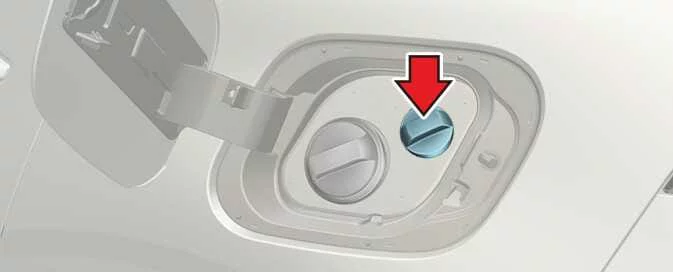
|
Operation
-
Pull the seatback recline lever upward to release the seatback.
-
Keep the lever raised while moving the seatback to the position you want.
-
Release the lever and check that the seatback has locked securely. The lever must return to its original position for the seatback to latch.
Folding rear seatback
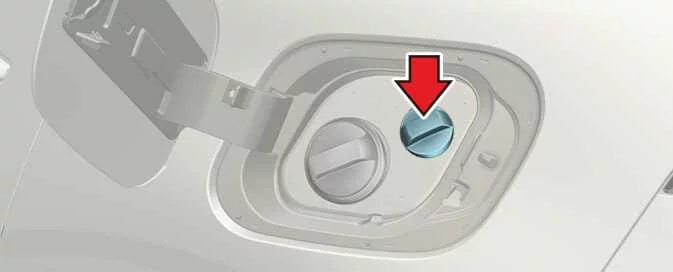
|
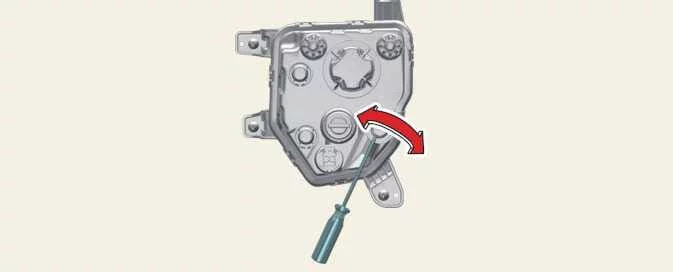
|
-
Left-side seatback
-
Right-side seatback
Operation
-
Place the seat belt buckle and webbing in the designated pocket or guide so they do not interfere with folding the seatback.
-
For Type A, pull the seatback folding lever upward, then fold the seatback down.
-
For Type B, pull the seatback folding levers (1) and (2) in the luggage compartment.
Unfolding rear seatback
Operation
-
To return the rear seat to its seating position, pull the Type A seatback folding lever while lifting and moving the seatback backward.
TIP
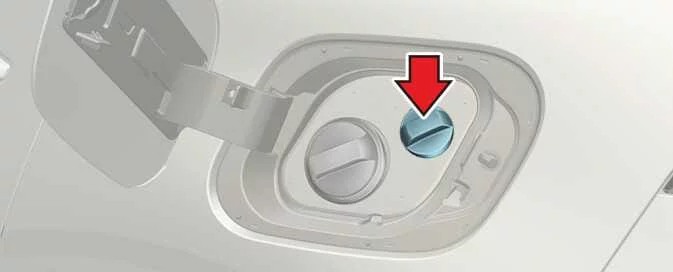
|
To fold the centre seatback separately, operate the folding lever on the centre seatback.
-
Lower the rear centre headrest to its lowest position before folding the seatback.
WARNING
-
Folding the right-side second-row seat: Take particular care if the centre seatback is already folded.
Fold the right-side second-row seat carefully when the centre seat is folded. The seat or its mechanism could cause injury or damage.
-
Never adjust a rear seat while the vehicle is moving or while someone is sitting in it. The seat could move suddenly and injure the occupant.
-
The fold-down rear seatbacks are intended to provide space for longer items that do not fit in the cargo compartment. Do not allow anyone to sit on a folded seatback while the Kia Sportage is moving. It is not a designated seating position and has no seat belt; riding there could result in serious injury or death in a collision or sudden stop. Do not load items on a folded seatback above the top of the front seatbacks, as cargo may slide forward and cause injury or damage during sudden braking.
-
Before folding a rear seat, remove any passengers, pets and luggage from it. Folding the seat with someone or something on it may cause injury or damage.
-
When raising a seatback, hold it and guide it slowly into position. If released while moving, it may spring forward and strike someone.
-
Secure cargo so it cannot move around the vehicle or be thrown forward in a collision. Do not place objects on the rear seats unless they can be properly secured; unsecured items may strike front-seat occupants in a collision.
-
Before loading or unloading cargo, switch off the engine, place an automatic transmission in P (Park), and apply the parking brake firmly. These steps help prevent the vehicle from moving if the shift lever or dial is accidentally moved.
-
Never adjust a rear seat while the vehicle is moving or while someone is sitting in it. Sudden seat movement could injure the occupant.
-
Keep your hands and fingers clear of the seat mechanisms while adjusting or folding the seats.
-
When returning the rear seatbacks upright, put the rear shoulder belts back in their proper positions. Route the belt webbing through the rear seat belt guides to help prevent it from being trapped behind or beneath a seat.
-
Before folding a rear seatback, place its buckle in the pocket between the seatback and cushion. This helps protect the buckle from damage by the seatback.
 Seatback pocket
 Headrest. Armrest: (if equipped). Adjusting the armrest
See also:
Description of the eCall In-Vehicle System
SOS button
Crash signal
Emergency Call System
Antenna
Microphone
Speaker
LED i ...
For best battery service
Keep the battery securely mounted.
Keep the battery top clean and dry.
Keep the terminals and connections clean, tight, and coated with petroleum
jelly or terminal grease.
Rinse any spille ...
3. Exhaust emission control system
The Exhaust Emission Control System is a highly effective system which controls
exhaust emissions while maintaining good vehicle performance.
Vehicle modifications
This vehicle should not be modif ...
Categories
- Home
- Kia Sportage NQ5 (2022-2026) Owner's Manual
- Kia Sportage QL (2015-2019) Owner's Manual
- Kia Sportage QL (2015-2019) Service Manual
- Kia Sportage SL 2010-2016 Owner's Manual
- Kia Sportage SL 2010-2016 Service Manual
